Cas : mise à niveau du système de portes de salle blanche d'une usine pharmaceutique
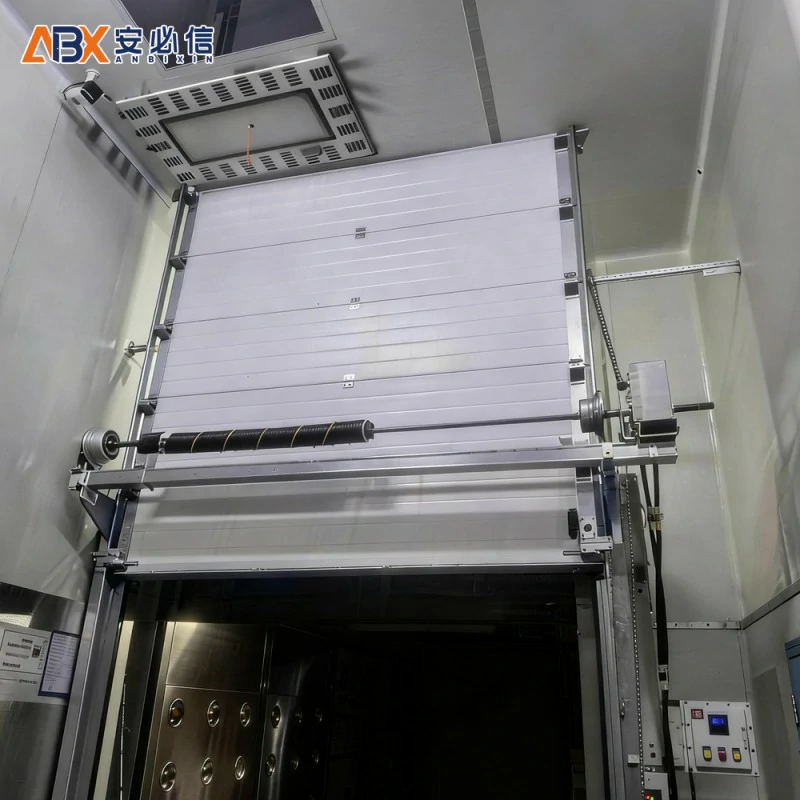
Project Background and Challenges
With the full implementation of the new Good Manufacturing Practice (GMP) regulations, the pharmaceutical industry has imposed stricter requirements on the cleanliness, airtightness, and operational efficiency of production environments. During its long production process, a pharmaceutical plant's cleanroom door system gradually revealed a series of problems that severely impacted the stability of the production environment. The main challenges included:
- Poor sealing performance: The original door systems had gaps between the door and the frame, allowing airborne dust, microorganisms, and other pollutants to enter the clean zone through the door gaps. This failed to effectively maintain the indoor positive pressure and cleanliness.
- Difficult operation: Some door systems still used manual push-pull or manual opening methods. For frequently entering materials, equipment, or personnel, this was cumbersome and inefficient, increasing the risk of cross-contamination.
- High energy consumption: Traditional door systems could not fully seal when opened, leading to loss of cleanroom air conditioning or heat, which increased the load on the air conditioning system and resulted in higher energy consumption.
- Low automation level: For clean areas requiring automated material transport or intelligent control, traditional door systems could not meet the requirements for integration with automated equipment (such as AGVs, conveyors).
To address these issues, the pharmaceutical plant decided to conduct a comprehensive modernization upgrade of its cleanroom door system. The goal was to improve the precision of clean environment control, reduce operational costs, and ensure compliance with the latest GMP requirements.
Solution: Door System Upgrade
Addressing the above challenges, the project team designed and implemented a comprehensive cleanroom door system upgrade for the pharmaceutical plant, with the following core components:
- Airtight Door System: High-performance airtight doors were installed at the entrances of critical clean areas (such as aseptic production areas, high-cleanliness areas). The door uses special sealing materials and multiple sealing strips between the door and frame to achieve high sealing performance when closed, effectively blocking external pollutants and maintaining indoor positive pressure.
- Electric Sliding Door System: For areas requiring frequent material and equipment entry, such as raw material areas and finished product warehouses, electric sliding doors were installed. The door is driven electrically, allowing smooth horizontal movement. When opened, the door can completely detach from the frame, providing an unobstructed passage for large equipment or material transport while maintaining the door's own sealing performance.
- Intelligent Control System: All upgraded door systems were connected to a unified intelligent control system. The system can automatically control the door's opening and closing based on production schedules, access permissions, and environmental parameters (such as pressure, temperature, and humidity). For example, when an AGV (Automated Guided Vehicle) reaches a designated area, the door can automatically open; when production tasks are completed, the door can automatically close and the air conditioning system can be adjusted, achieving intelligent linkage between production and the environment.
- Energy-saving and Environmental Design: Energy-saving factors were considered in the door design. For example, the door uses insulating materials to reduce the exchange of cold and hot air; when the door opens, it automatically adjusts the opening speed and angle by detecting the pressure difference between indoors and outdoors to minimize air loss. These designs not only reduce energy consumption but also reduce operating costs.
Through this comprehensive upgrade plan, the pharmaceutical plant's cleanroom door system was fundamentally improved. It not only met the high requirements of the new GMP for clean environments but also improved production efficiency and reduced operating costs, laying a solid foundation for the company's long-term development.
Implementation Results and Value
After the completion of the door system upgrade project, significant results were achieved, as follows:
- Significant improvement in cleanliness: The sealed performance of the upgraded airtight doors and electric sliding doors far exceeded that of the original systems. According to on-site testing, the number of dust particles and microbial concentrations in the clean zone decreased, effectively ensuring the clean environment of pharmaceutical production and reducing the risk of product contamination.
- Enhanced positive pressure maintenance: With the improvement of door sealing performance, the positive pressure inside the cleanroom could be more stably maintained within the set range. This ensured that clean air could effectively flow to non-clean areas, forming an effective pressure gradient and preventing the reverse diffusion of pollutants.
- Increased production efficiency: The use of electric sliding doors greatly reduced the time for large equipment or material passage through the door. For frequently entering materials, the door can quickly open and close, reducing waiting time and improving the efficiency of the production line.
- Reduced energy consumption: Through the energy-saving design of the door and intelligent control, the pharmaceutical plant's energy consumption for the air conditioning system was reduced. According to preliminary estimates, energy consumption in the cleanroom may have been reduced by more than 10% after the upgrade, bringing considerable economic benefits to the company.
- Improved automation level: The application of the intelligent control system allowed the door to seamlessly integrate with the automated material handling system (such as AGVs), achieving automation and intelligence in the production process and improving the modern management level of the entire plant.
In summary, the pharmaceutical plant's cleanroom door system upgrade project was a successful upgrade case. It not only solved many problems of the traditional door system but also, by introducing advanced technologies, improved the controllability of the production environment, production efficiency, and energy utilization efficiency. It provides valuable experience for the pharmaceutical industry.

Besoin d'une solution fiable pour votre projet ?
Décrivez votre application et vos contraintes : notre équipe vous aidera à choisir le bon produit.